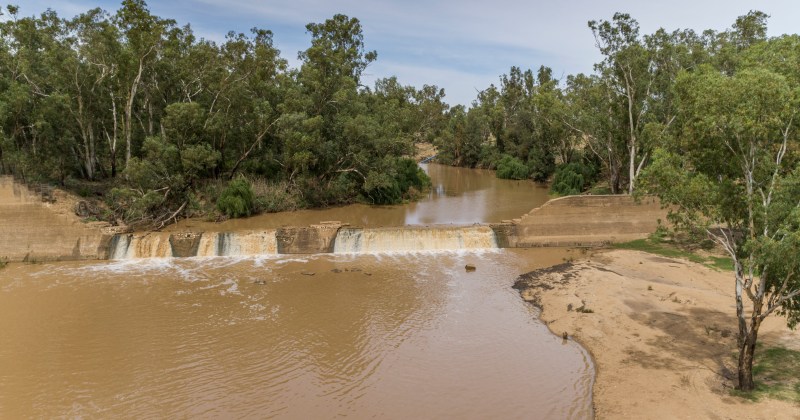
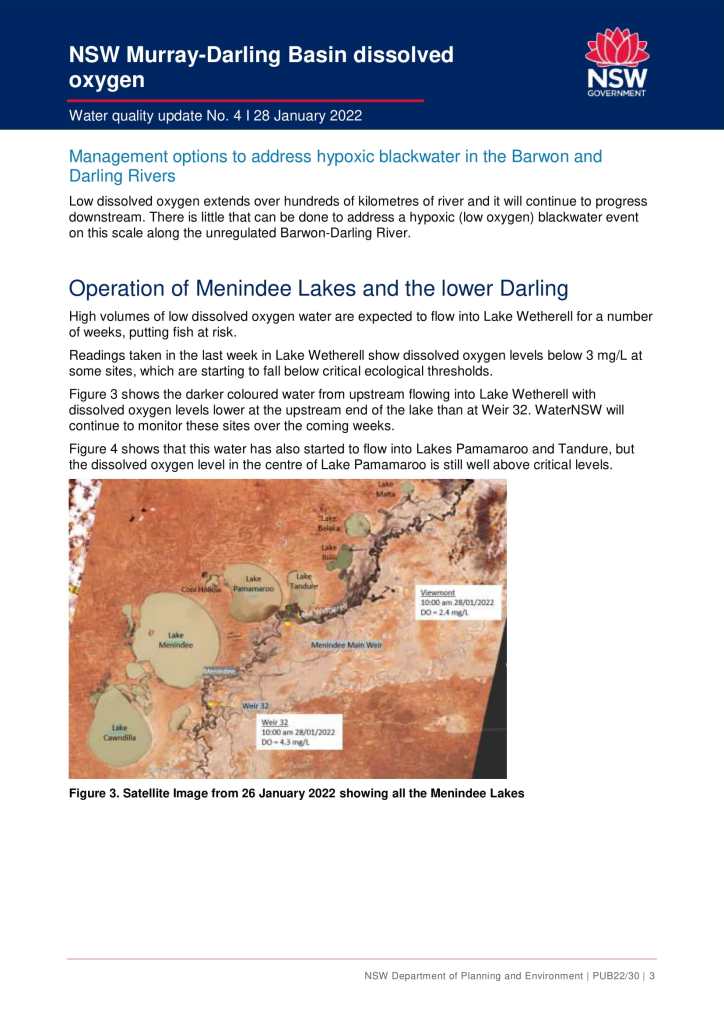
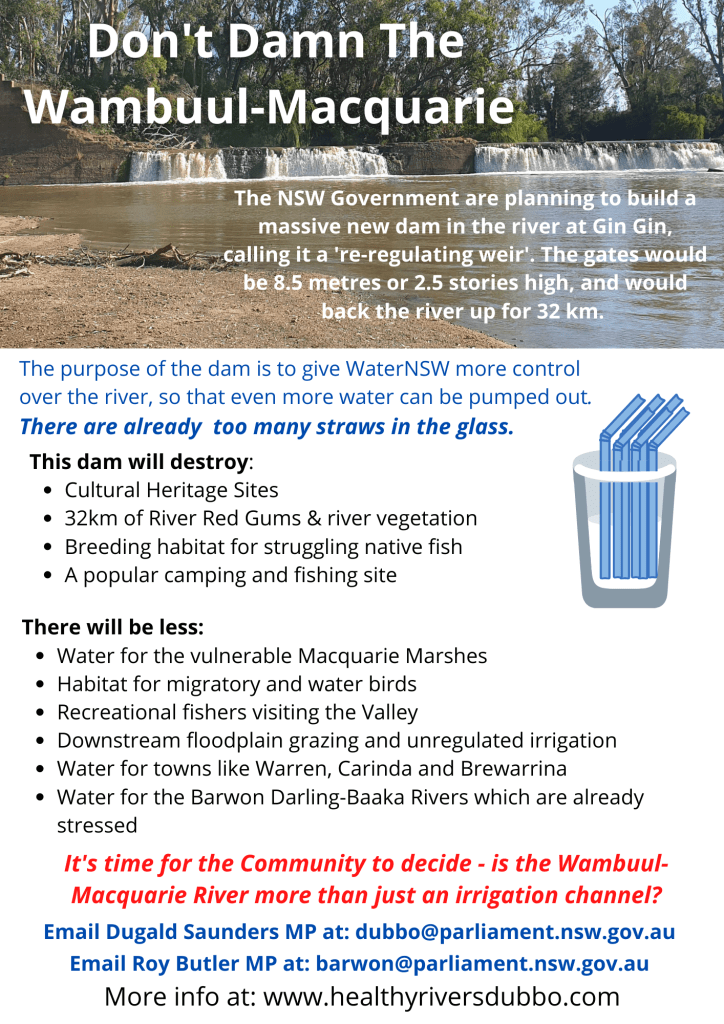
This letter confirms that the Gin Gin dam project (aka Macquarie re-regulating weir) has been cancelled.
THANK YOU to everyone who supported the campaign by making a donation, writing to the paper, a politician, signing a petition or coming along to an event on the river or a public meeting.
A great result for the river and the criters who rely on it.
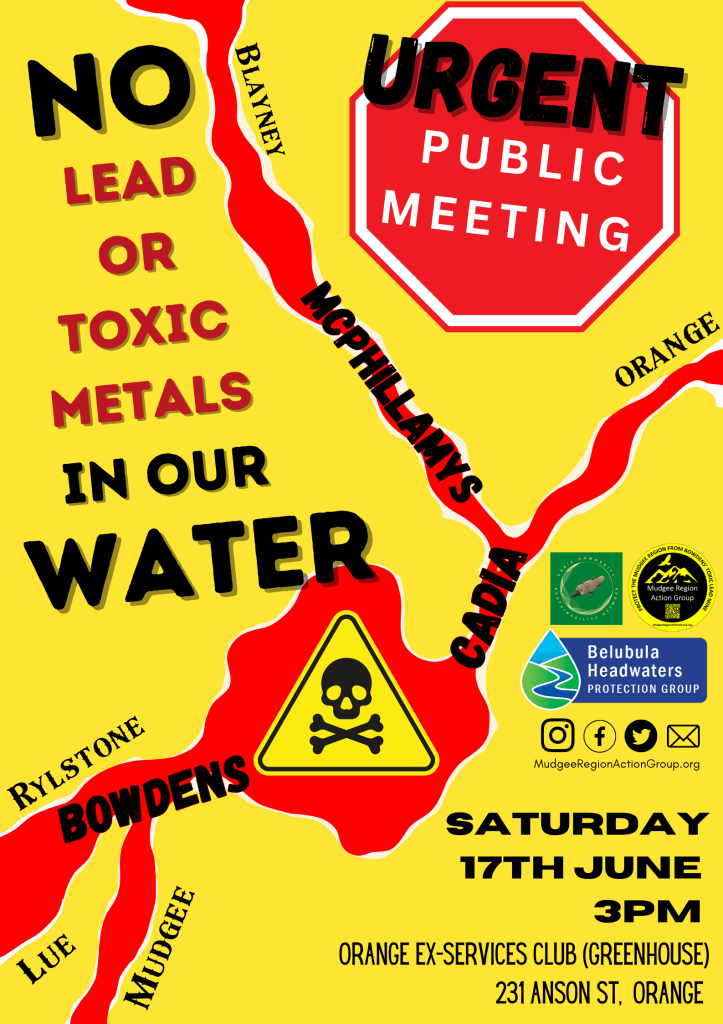
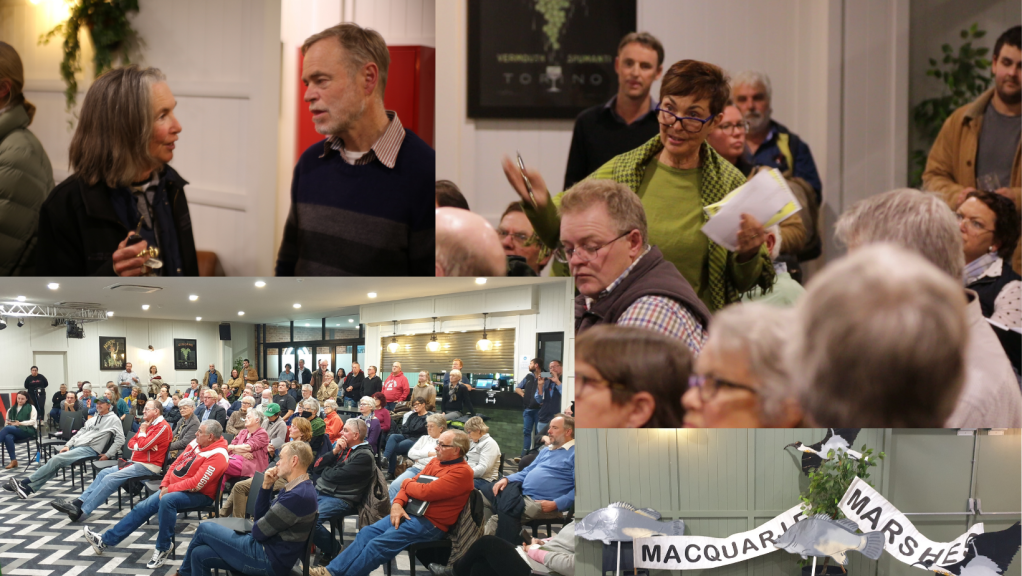
Public meeting in Orange to discuss the 3 metal mines in the region: Cadia at Orange, McPhillamy’s at Kings Plains and Bowdens at Lue, and the threat they pose to our rivers!
In July 2022, then NSW Environment Minister Griffin gave concurrence to changes to three NSW Water Sharing Plans in the Gwydir, Border Rivers and Macquarie-Wambuul Catchments that included rules on how floodplain harvesting would be managed.
When rivers levels dipped below certain heights at specific gauges, floodplain harvesting of water has to stop. These measurements are called flow targets.
Minister Griffin’s own department, the Environment and Heritage Group advised the Minister not to sign off on the water sharing plans, as the targets proposed by Nationals Water Minister Kevin Anderson are so low, they are not consistent with the objectives of the Water Management Act that requires critical human needs and the environment to be prioritised over irrigation.
Despite writing to Minister Anderson to say he would not be signing off on the Plans with the extremely poor targets, Minister Griffin did succumb to the pressure from the Nationals and signed them off.
The Environment and Heritage Group developed a set of preferred flow targets for these water sharing plans. These documents were obtained through a Parliamentary Order for Papers. Here they are.
The Belubula River starts between Bathurst and Blayney, and eventually flows into the Lachlan River. The source of this river could soon be buried under 50m of toxic slurry from a proposed gold mine.
Regis Resources has applied to build a new open-cut gold mine on Kings Plain near Blayney. The mining pit would be 1km wide and 450m deep. A tailings dam wall 1.5km long and 50m tall would hold back a slurry of waste containing cyanide, mercury, lead, molybdenum and many more heavy metals – the tailings from extracting gold from the ore.
Submissions to the Independent Planning Commission process are open until December 21st and you can help be downloading this simple submission guide, written by the Belubula Headwaters Protection Group, and having your say.
With all the flooding around, it’s easy to forget that droughts will be back.
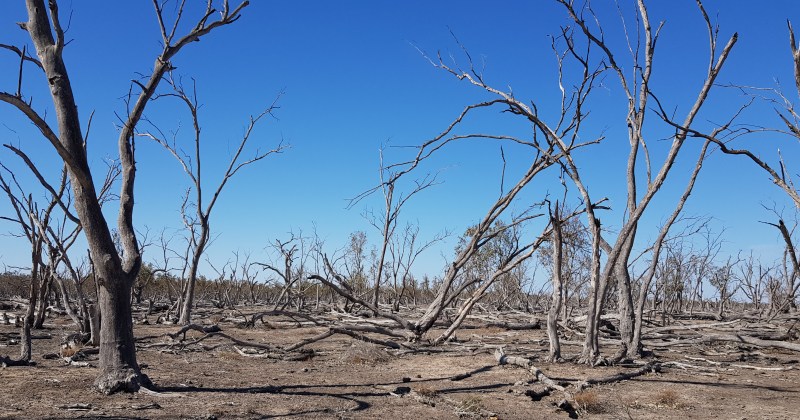
The last drought in the Wambuul-Macquarie was shocking.
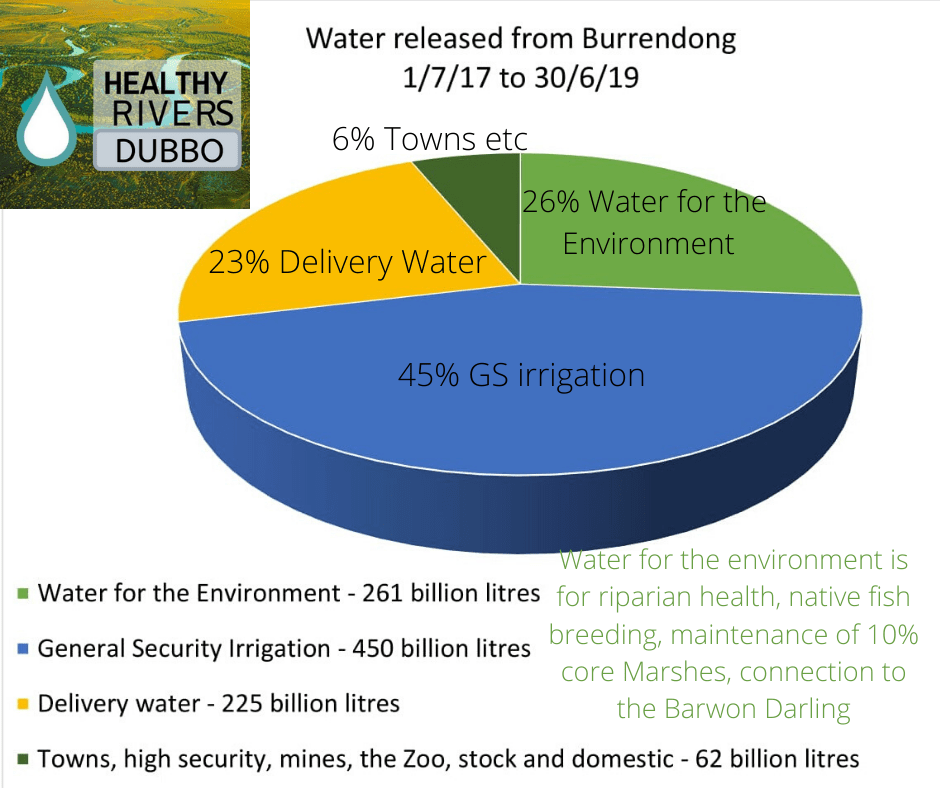
Burrendong dam emptied quickly between 2017 and 2019, and soon after, fish and turtles were being rescued from drying green pools of water downstream of Warren.
As the dam approached 0%, plans were made to rescue platypus in anticipation of the river stopping at Burrendong, and Dubbo faced day zero.
But have we learnt our lesson?
No. The allocation settings for Burrendong have not changed. Burrendong dam will be emptied every two years, regardless of the climactic outlook.
The government could chose to consider the droughts that have happened since 2004 when determining water allocations – but they don’t. Here’s what they say:
“After the Millennium Drought, NSW opted not to take a more conservative approach to its water allocations to improve water security for critical needs in the event of a future severe drought. Rather, in the event of the next drought, it was preferred to use other emergency drought mitigation measures to support communities. These include carting water for some domestic uses and restricting access to carryover water in general security licence accounts to meet higher priority needs.
In the wake of the recent drought, there are again calls to reduce water allocations to mitigate the impact of future droughts—that is, to be more conservative in how much water is allocated over a particular period to keep more water in reserve. However, this could potentially have a cost to productivity across non-drought years.” NSW Water Strategy page 88.
The government would rather let the river run dry than reduce water used for irrigation.
The Wambuul/Macquarie Cudgegong Environmental Water Advisory Group is made up of representatives from a range of local interest groups, who provide advice on planning, management and monitoring of water for the environment in the mid and lower Wambuul/Macquarie valley.
NSW Nature Conservation Council has been represented on the Wambuul/Macquarie Cudgegong Environmental Water Advisory Group since it’s inception in 2000.
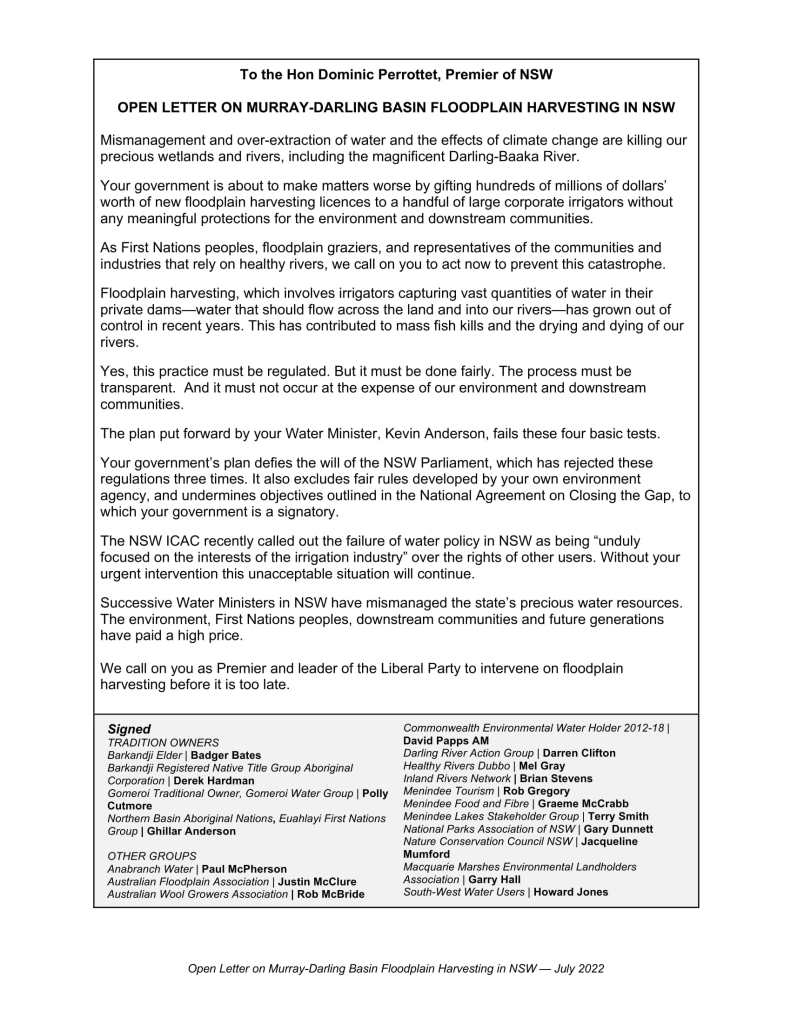
Representatives of 22 groups from inland NSW wrote to the Premier in July, raising serious concerns with the government’s floodplain harvesting regulations.
Both the Premier and the NSW Water Minister have refused to meet with community members.
This group is a true representation of the communities who will feel the brunt of the floodplain harvesting policy. The group includes Traditional Owners, floodplain graziers, recreational fishers and tourism operators, as well as concerned regional residents.
Concerns of numerous groups have been ignored after they sent an open letter condemning the NSW Water Minister Kevin Anderson’s floodplain harvesting regulations in water systems including the Wambuul Macquarie river.
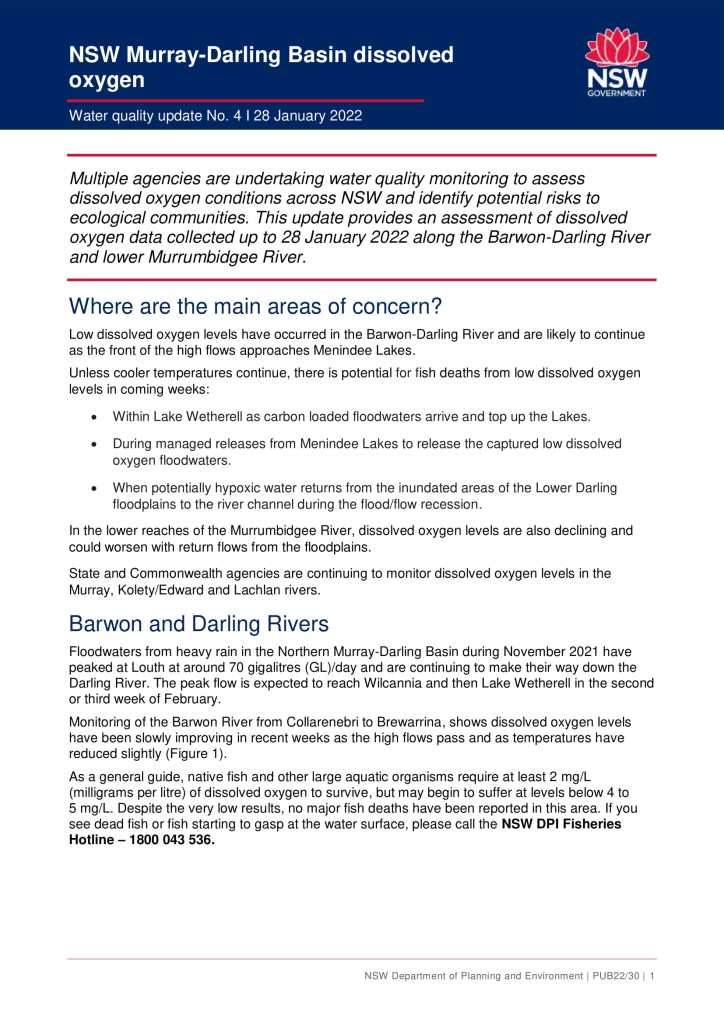
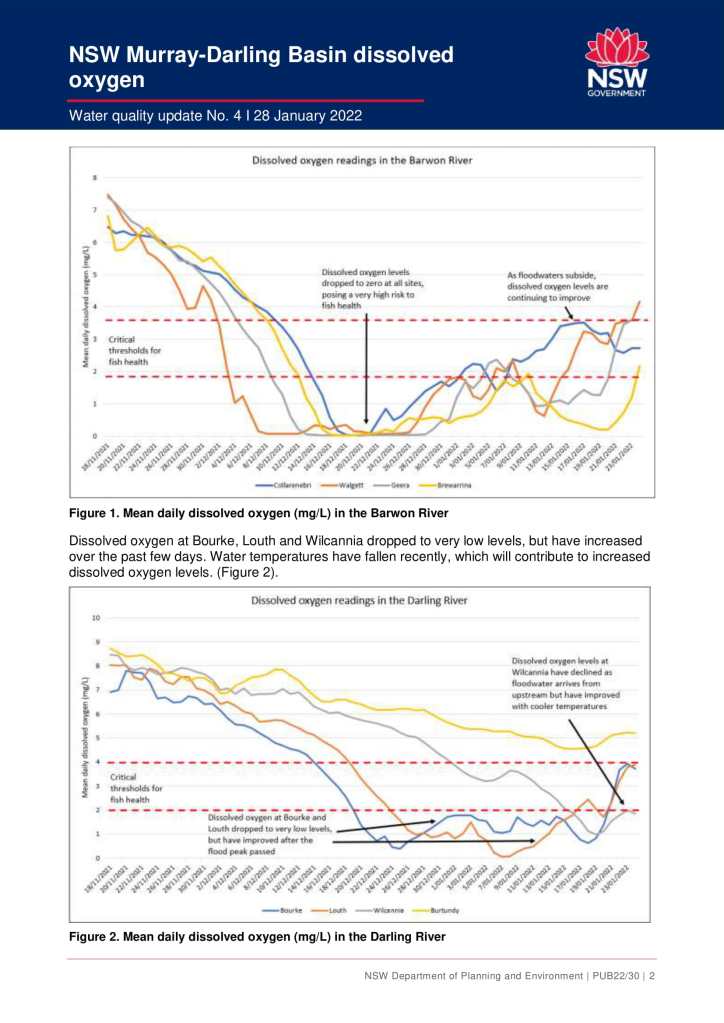
Blackwater event happen when a lot leaf litter and other carbon from floodplains is washed into rivers during big flood events. When floods become less regular, the healthy balance is lost – too much carbon builds up and blackwater events become dangerous.
More frequent overbank flood events would reduce the instance of blackwater events. In recent decades the over allocation of water licences and a sharp increase in floodplain harvesting has created a perfect storm for the Darling-Baaka.
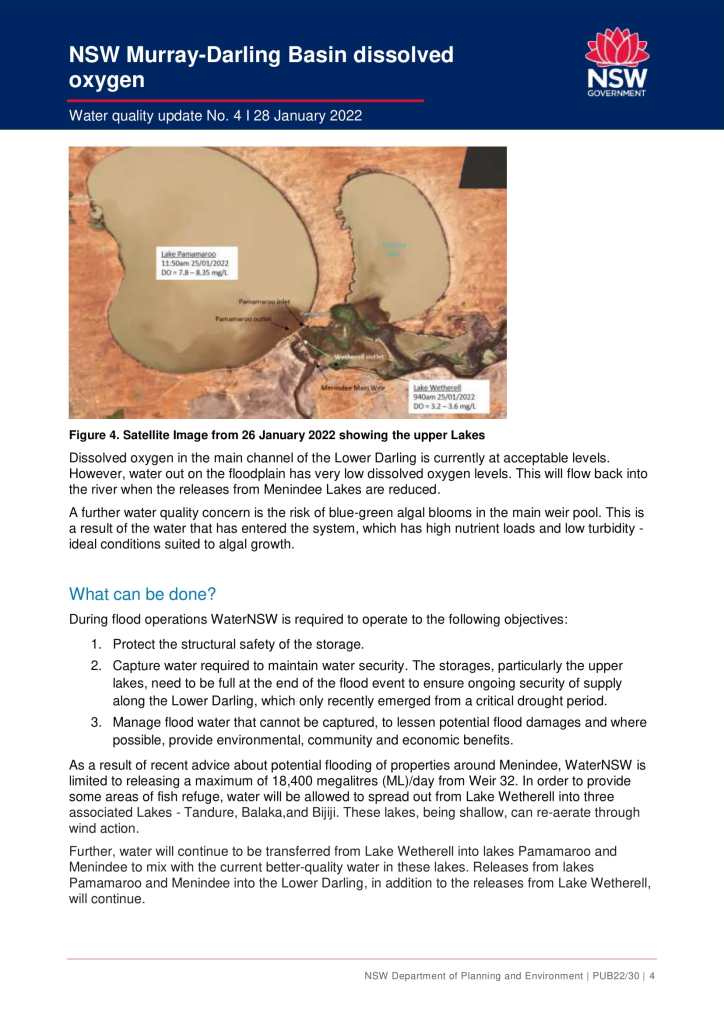
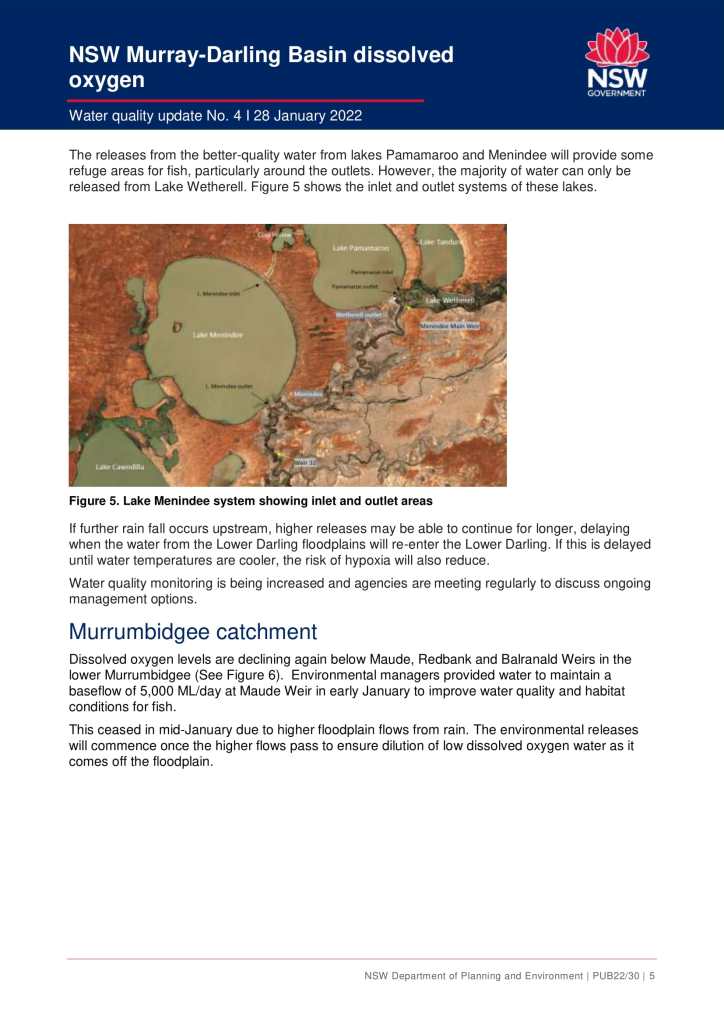
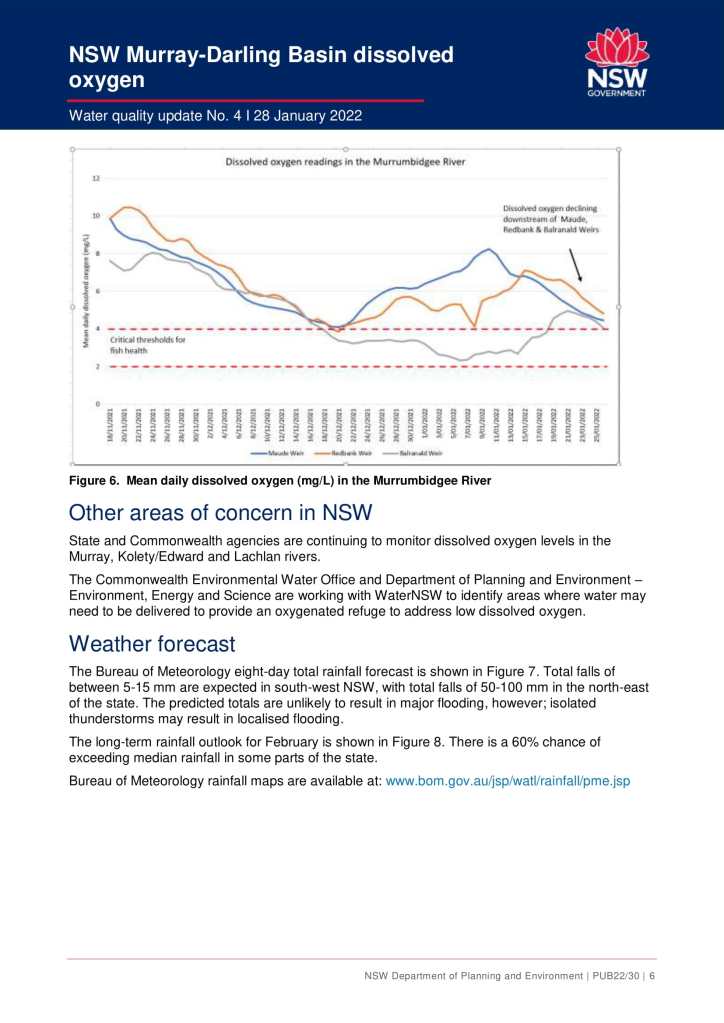
Following is a comprehensive update from the NSW Government on the event currently impacting the river.
HRD is grateful for the opportunity to contribute to the Select Committee on Floodplain Harvesting (the inquiry). We wish to express our gratitude to all Representatives who were involved in the two disallowance motions of the Floodplain Harvesting (FPH) Policy regulations in the Upper House, and the establishment of this inquiry.
HRD considers that FPH is an unlawful practice, and that Governments, Authorities and Agencies have turned a blind eye to the practice.
There are no legal levers between FPH policy and the water sharing priorities under the WMA (ss. 5(3) and 9(1)), which include water for ecosystem health and basic landholder rights (stock and domestic; native title rights).
The NSW Water Minister received internal legal advice that stated that on the balance of probabilities, taking water without an access licence is most likely unlawful. Building on-farm storages to house that illegally obtained water without the appropriate approvals would also be unlawful. This advice was withheld from the public until the Minister was urged in Parliament to release it.[1]
The irrigation industry has grown large and politically powerful in recent decades and in HRD’s view has too much influence on water policy at every level. The extent of this wealth and power has come from the illegal take of water.
In many parts of the world through history and to the present day the textile industry has used slavery to grow large and powerful. Only the erosion of social licence through community advocacy can bring about justice for the Environment, First Nations Peoples and the wider community.
HRD will argue in section 1 that:
Volumes of FPH to be licenced must be brought under the Cap, and that the Cap should not stretch to accommodate FPH volumes. In the Macquarie Valley that means zero FPH.
The NSW Government is accommodating the irrigation industries arbitrary claim that environmental water in the Macquarie is ‘over recovered’. A claim HRD rejects outright and presents evidence to show that ‘over recovery’ is not a thing.
The draft Floodplain Management Plan 2018 must include clear process to ensure all illegal floodplain works are removed. The Floodplain Management Plan 2018 for the Macquarie is still not gazetted, which must happen ASAP.