
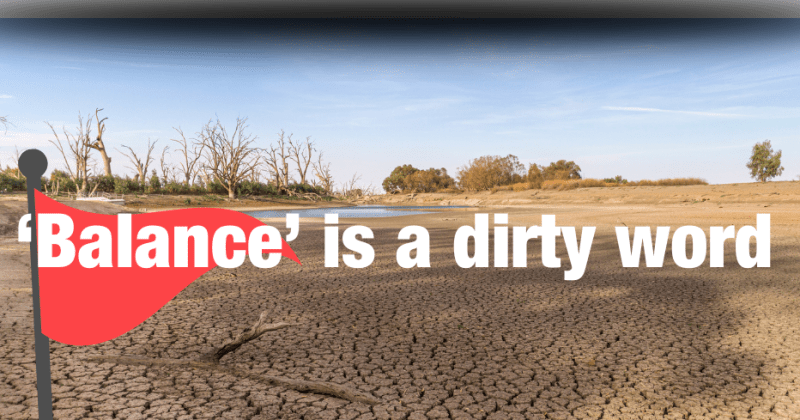

Under the NSW Water Management Act 2000, protecting rivers and their dependent ecosystems is a must. This principle reflects a shift from viewing water as solely a resource for human use (such as irrigation) to understanding water as a critical component of healthy ecological systems that must be sustained for the long-term benefit of all.
Key Principle: Prioritising Ecological Health
The Act states that water sharing and management decisions must sustain the health of water-dependent ecosystems, which includes maintaining environmental flows that support natural ecological processes, habitats, and biodiversity. This principle means that ecological sustainability is not just a factor to consider—it is a priority that underpins all water management decisions.
Implication: Environmental Needs Come First
Because river systems are complex and fragile, their ecological requirements often involve maintaining minimum flows, seasonal variability, and connectivity between wetlands and rivers. If these are not maintained, the ecosystem can collapse, leading to irreversible damage. Under the Act, these ecological needs are not negotiable or secondary to economic uses like irrigation. Therefore, allocating water to irrigation at the expense of ecosystem health would be in direct conflict with the Act’s objectives.
Conflict with the Idea of “Balancing” Needs
To say that the needs of the environment and irrigation must be “balanced” implies equal or negotiable trade-offs, which contradicts the Act’s principles. The environment is not just another stakeholder in the system; it is the foundation upon which all other uses—including irrigation—depend. If environmental flows are compromised, all other uses become unsustainable. Therefore, using the language of “balance” incorrectly suggests that it is acceptable to reduce environmental water to support human use, which would violate the legal and ecological intent of the Act.
Conclusion
The NSW Water Management Act 2000 mandates that the ecological requirements of rivers be met as a priority, not simply weighed against irrigation demands. Any management approach that treats environmental flows as negotiable or seeks to “balance” them with consumptive uses risks breaching both the letter and the spirit of the Act. This legal framework insists that healthy river systems must be maintained first, because they are essential for the long-term viability of all water users, including irrigators.
 Healthy Rivers Dubbo